
Starter
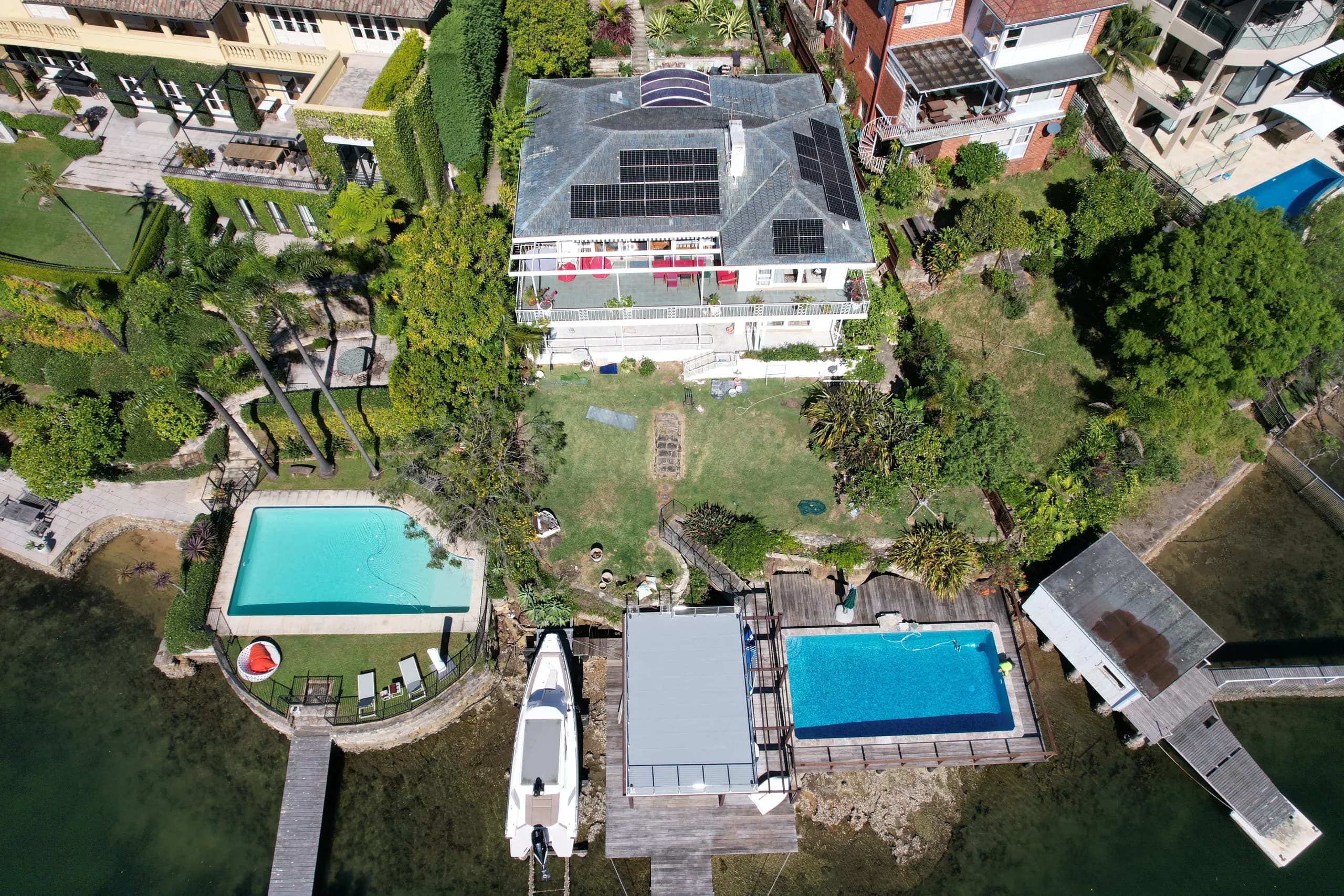
6.6 kW
Couple or small family, ≤$400/quarter bill
- Panels
- 14 × 475W panels
- Rebate you get
- ~$1,700 federal STC rebate
- Year-one saving
- ~$1,400
- Battery
- Battery-ready for future upgrade
For your home
SIPENERGY designs, installs, and services residential solar, battery, and EV charging systems across NSW, VIC and QLD. SAA-accredited. Federal STC rebate handled on your behalf. 25-year panel performance warranty, 12-year workmanship guarantee.
The numbers
Typical Sydney annual bill
$2,400
That is what the average Sydney household hands the grid every year. A typical SIPENERGY system pays itself back in three to five years, then keeps producing for decades on a 25-year panel performance warranty.
$0
Upfront options available
Finance and zero-upfront paths on qualifying systems.
3–5 yr
Typical residential payback
Varies with usage, tariff, roof orientation and system size.
25 yr
Panel performance warranty
Plus a 12-year SIPENERGY workmanship guarantee.
How it works
A solar system turns daylight into usable electricity. The inverter converts the power, your home uses it first, excess charges the battery or runs your EV charger, and anything left over gets exported back to the grid for credit.

01
Panels capture sunlight, even on cloudy days, and produce DC electricity on the roof.
02
The inverter converts DC to AC at household voltage, ready for your lights, appliances, and EV charger. A hybrid inverter is only needed if you are adding a battery.
03
Through daylight hours, whatever your home is using is drawn from solar rather than the grid. That daytime usage is where the bill savings come from.
04
Excess production charges the battery if you have one, or exports to the grid for feed-in tariff credit.
System sizes
Rough sizing guide using 475W panels. Your actual system is tailored after a free site visit.
Starter
Couple or small family, ≤$400/quarter bill
Family
Four-person household, $400–$700/quarter
Family + EV
EV household or $700+/quarter
Battery options
A battery holds your daytime solar for the evening peak, when grid power costs the most. We recommend the right one after seeing your roof, inverter, and usage pattern.
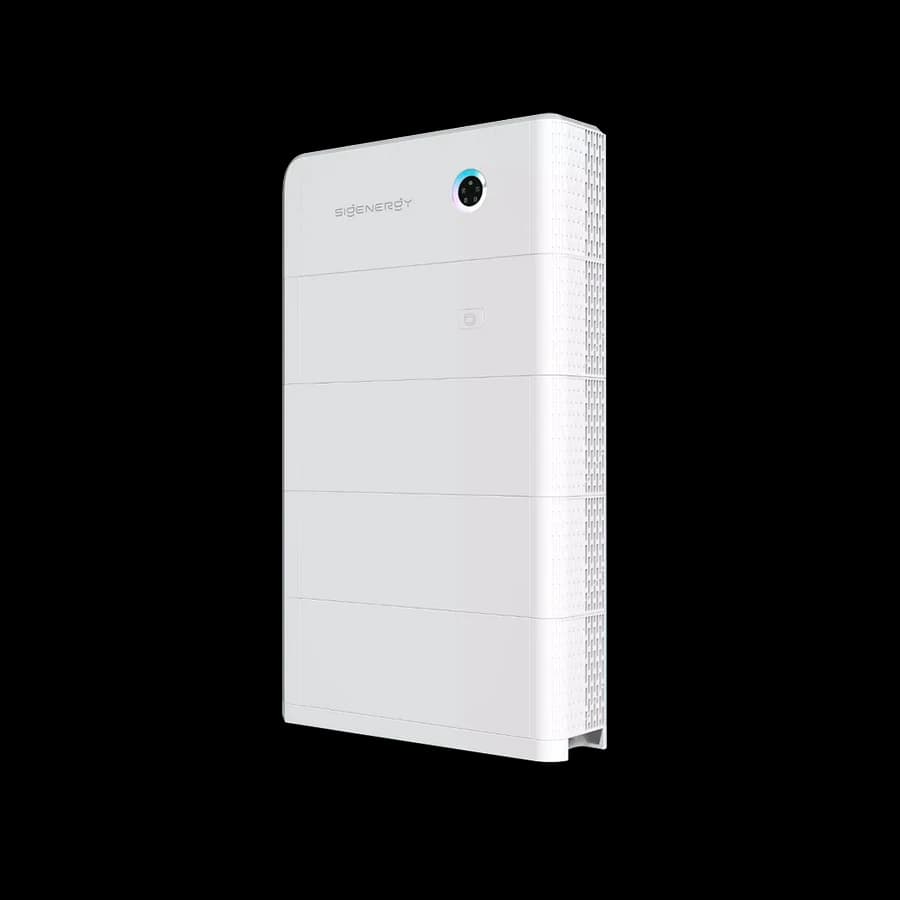
Modular inverter and battery system
The brand we put in front of most households first. Modular stack, so the capacity can grow later without replacing the inverter.
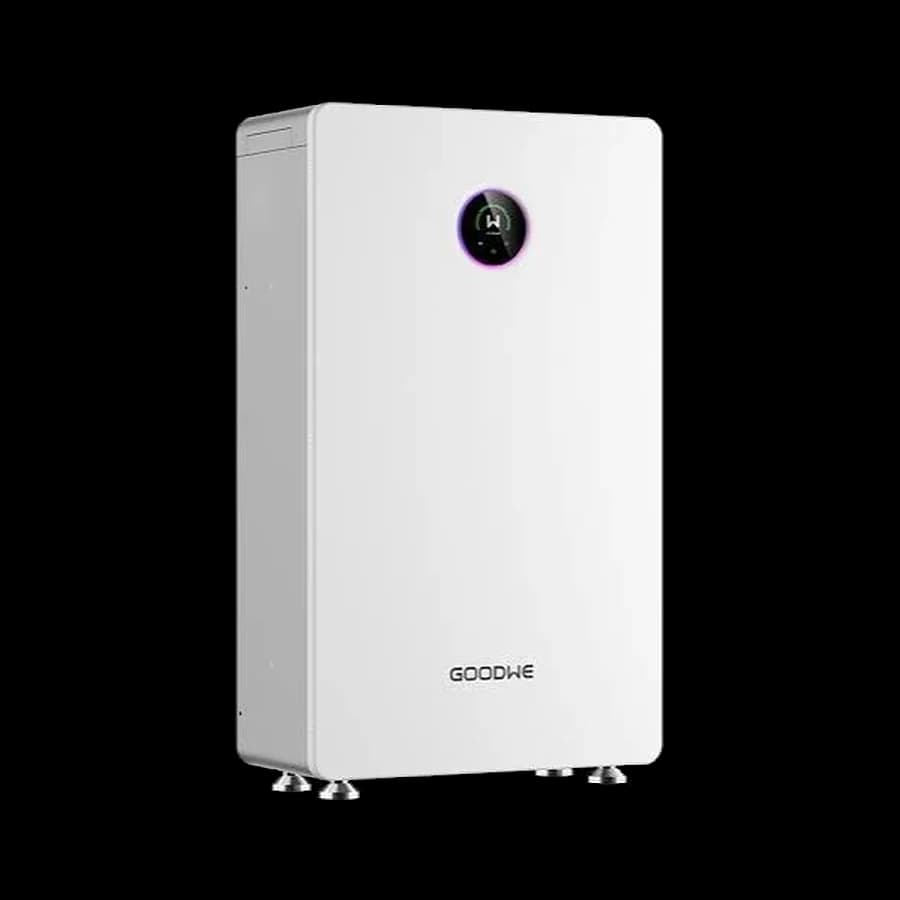
Entry-level inverter and battery
Our entry-level option for inverter and battery, for households that want storage without the top-tier spend.
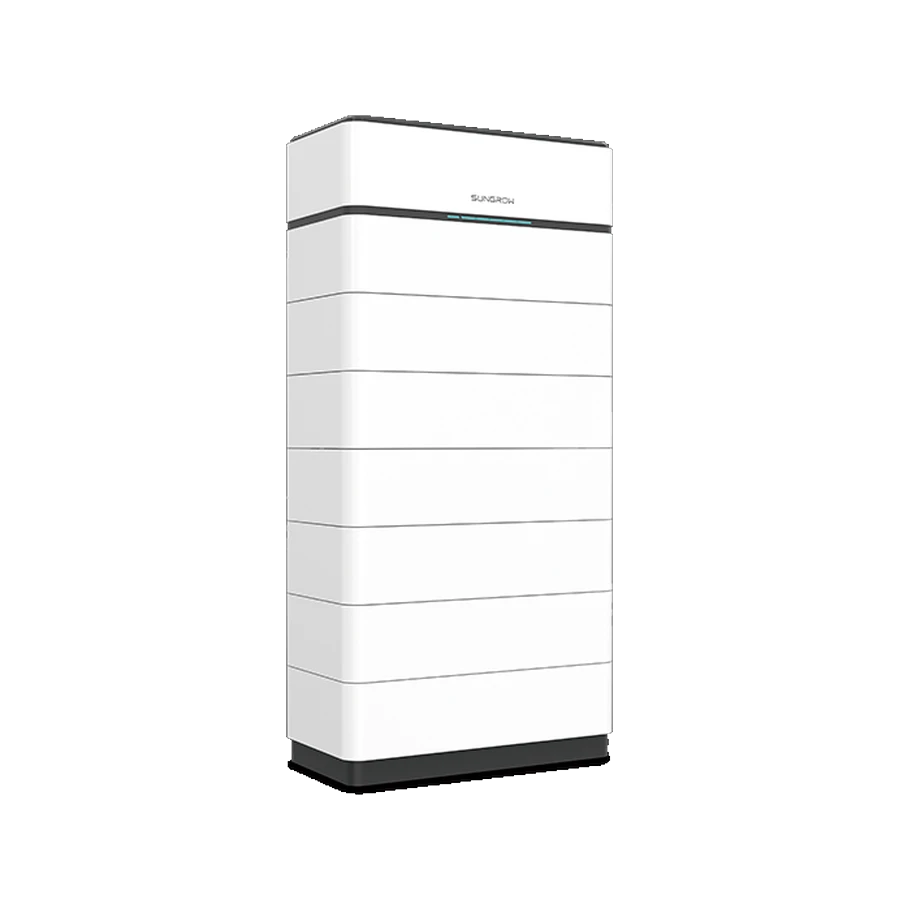
Stackable battery
Stackable, so the capacity is sized to your evening usage rather than sold in one lump.
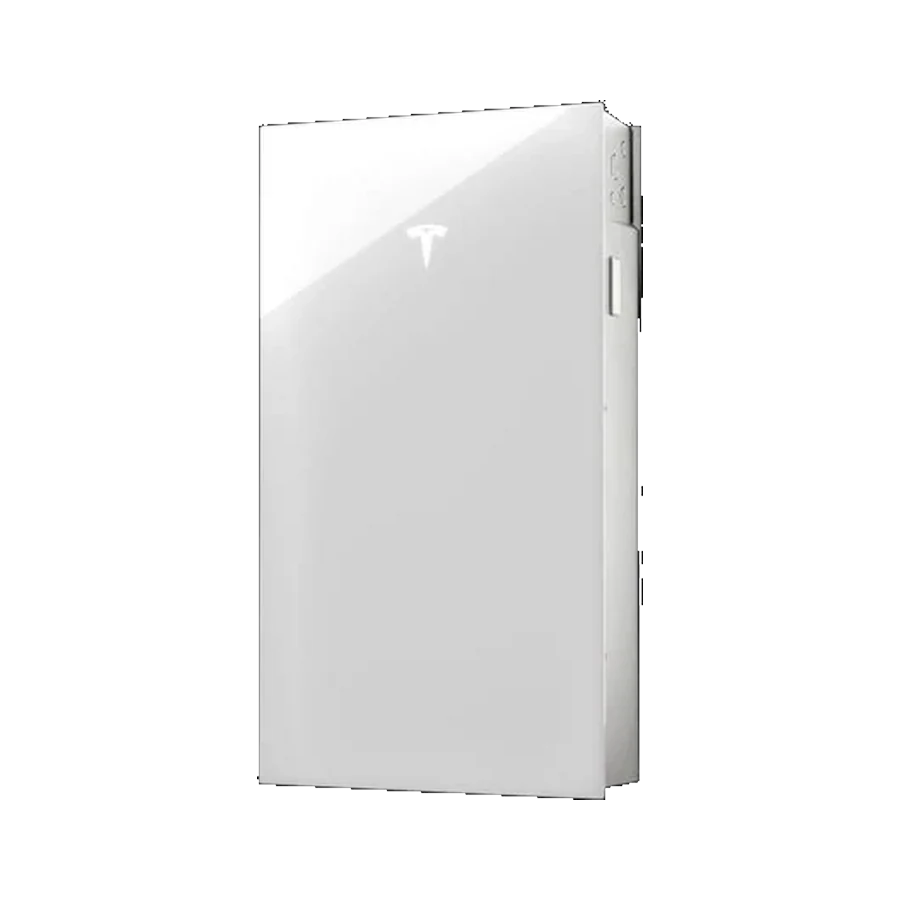
Fitted on request
We hold Tesla accreditation and fit the Powerwall 3 when a household asks for it specifically.
Rebates
SIPENERGY is an approved seller and claims the rebate at the point of installation. It comes off your quoted price. There is nothing for you to lodge, chase, or wait on.
Applied at install
Up to $14,000
Small-scale Technology Certificates on your panels and inverter, plus the federal battery rebate. That upper figure is a maximum-sized residential system; yours depends on system size. It comes off your upfront price, so you never claim it separately.
The rebate steps down every calendar year until the scheme ends in 2030, so the same system is worth less the longer you wait.
SIPENERGY claims this on your behalf at installation.
The process
Free site visit and usage analysis, then a fixed written proposal with the system design included. No obligation.
We handle every permit, grid connection application, and rebate submission on your behalf.
Our SAA-accredited electricians install in a single day with tidy cabling and minimal disruption.
We commission, test, and hand over with full monitoring. Your first credit appears on the next bill.
Most of our work comes from customers sending us to their neighbours. If you do, tell us and we will look after you.
Refer someoneFrequently asked
A 6.6kW residential system installed by SIPENERGY is about $7,500 after the federal STC rebate, and a 10kW family system is about $11,000. We like to install battery-ready systems, so that includes a hybrid inverter. Battery-paired systems are priced after a site visit, since the total depends on the capacity you need. Sydney payback on solar alone is typically 3–5 years at current grid rates.
The right size depends on your roof, your bill, and whether you have an EV or battery plans. As a rough guide: under $400/quarter → 6.6kW; $400–$700/quarter → 10kW; $700+/quarter or EV household → 13kW+ with battery. We'll size it accurately during the free site visit.
Batteries make economic sense if you're paying high peak and shoulder rates, exporting a lot to the grid, or want blackout backup. The more of your evening usage you can shift off the grid, the faster it pays back. We model this against your actual usage during the site visit rather than quoting a generic payback.
Federal Small-scale Technology Certificates (STCs) on the panels and inverter, applied as a point-of-sale discount. On a maximum-sized residential system the federal rebate can reach around $14,000 across solar and battery. The amount steps down every calendar year until the scheme ends in 2030, so the same system is worth less each year you wait. SIPENERGY handles the paperwork. You never claim it separately.
Sigenergy is the main brand we sell and the one we recommend first, followed by GoodWe and Sungrow (SBR and SBH). We hold Tesla accreditation and fit the Powerwall 3 on request. We recommend the right one after seeing your roof, usage pattern, and existing inverter.
Most residential installs are completed in a single day on site. The full process, from free proposal to switch-on, typically runs 2–4 weeks, driven mainly by grid connection approval from your distributor.
Tier-1 panels carry a 25-year performance warranty (80–90% rated output at year 25). If yours underperform, you claim through SIPENERGY. We handle the paperwork with the manufacturer. Our workmanship warranty covers installation defects for 12 years.
Typically yes, for access to the switchboard, meter, and roof. Installs usually run 7am to 3pm. After the install, the grid connection and utility commissioning happen remotely. We let you know when your system officially switches on.

Free proposal
A site visit, twelve months of your bills, and a fixed written quote with the rebate already taken off. No obligation, and no one calls you twice.