
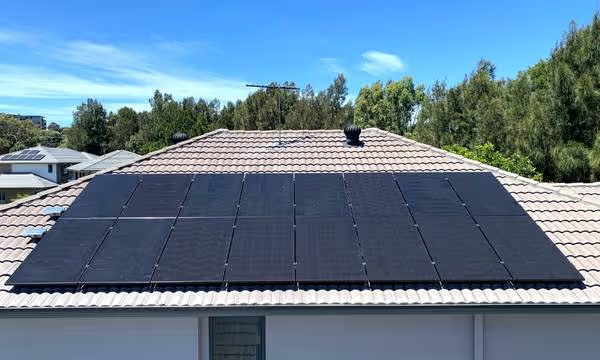
Solar batteries
Store the sun.
Skip the peak.
A solar battery saves the energy your panels make during the day so you can use it after dark. Less grid, lower bills, and backup power when the street goes out.
How they work
Sun by day. Stored for night.
When the sun is up, your panels turn sunlight into DC electricity. The inverter converts it to AC for your home. Anything your home doesn’t need right now charges the battery instead of getting exported to the grid for a low feed-in tariff.
After dark, or through the evening peak, the battery powers the home first and the grid only takes over once it’s empty. You buy less electricity when it costs the most.

01
Daytime surplus
Panels make more than the house is using. The excess charges the battery instead of exporting at a low feed-in rate.
02
Battery fills
Charging continues until the battery is full or the sun drops, whichever comes first.
03
Evening peak
The battery powers the home through the most expensive hours of the day.
04
Grid last
The grid only takes over once the battery is empty. You buy less electricity when it costs the most.
Why add a battery
Three jobs a good battery does.
Which of these matters most depends on your tariff and how much of your usage lands after dark. We work that out at the site visit.
Lower bills
Use stored solar through the evening peak instead of buying from the grid. Time-of-use customers save the most.
Blackout protection
Every battery we sell has back-up. Wiring the backup circuits is an opt-in at additional cost, and it keeps essential circuits live when the grid drops.
Self-consumption
Use more of what your panels make instead of exporting at low feed-in tariffs. Self-consumption is where the savings are.
What we install
The batteries we install.
We pick the right one after seeing your roof, inverter, and usage profile. No single battery is best for every household.
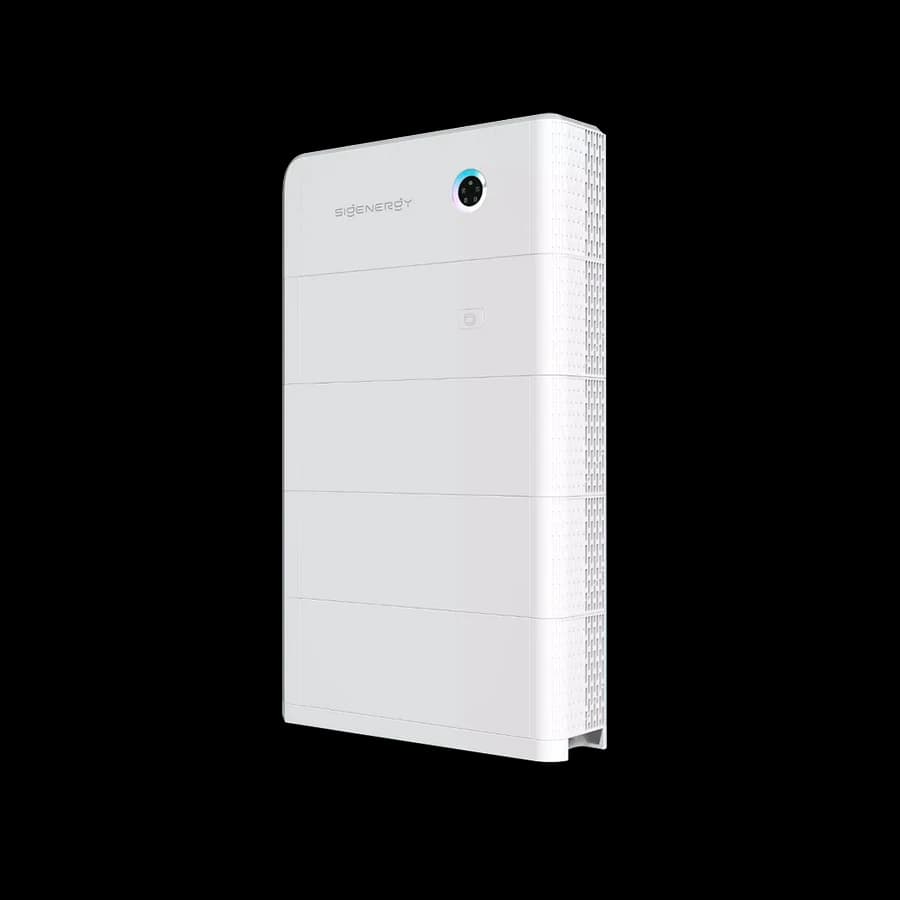
Modular inverter and battery system
Sigenergy
The brand we put in front of most households first. Modular stack, so the capacity can grow later without replacing the inverter.
- Warranty
- 10-year warranty
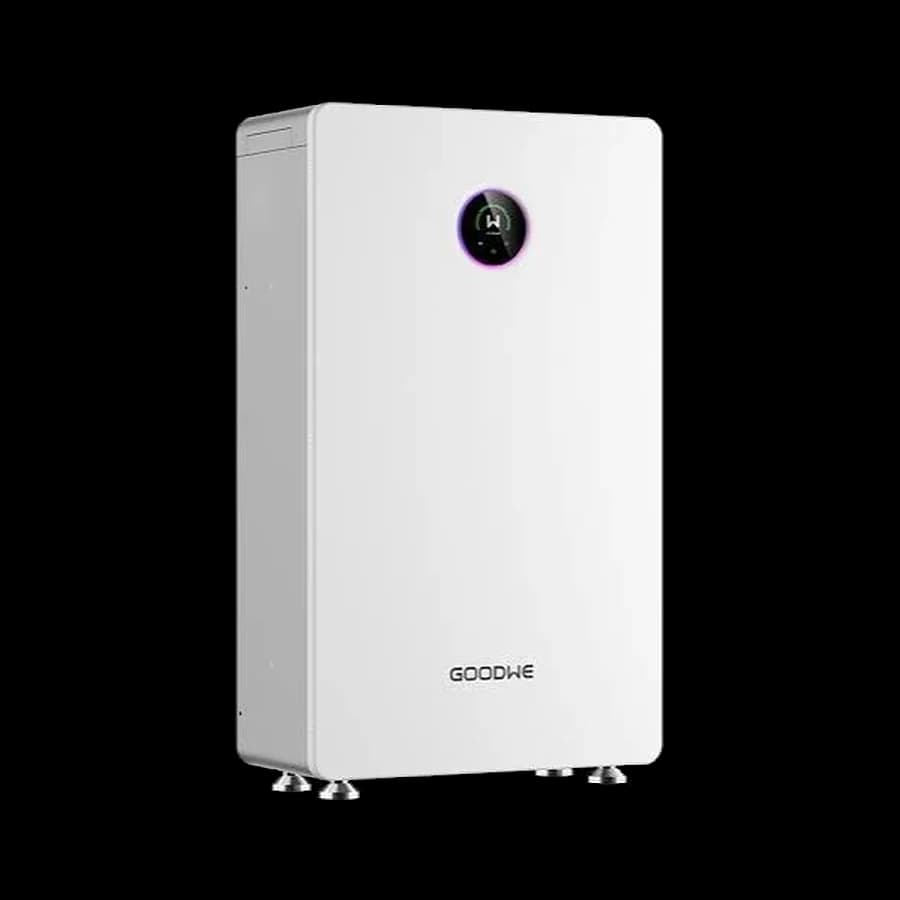
Entry-level inverter and battery
GoodWe
Our entry-level option for inverter and battery, for households that want storage without the top-tier spend.
- Warranty
- 10-year warranty
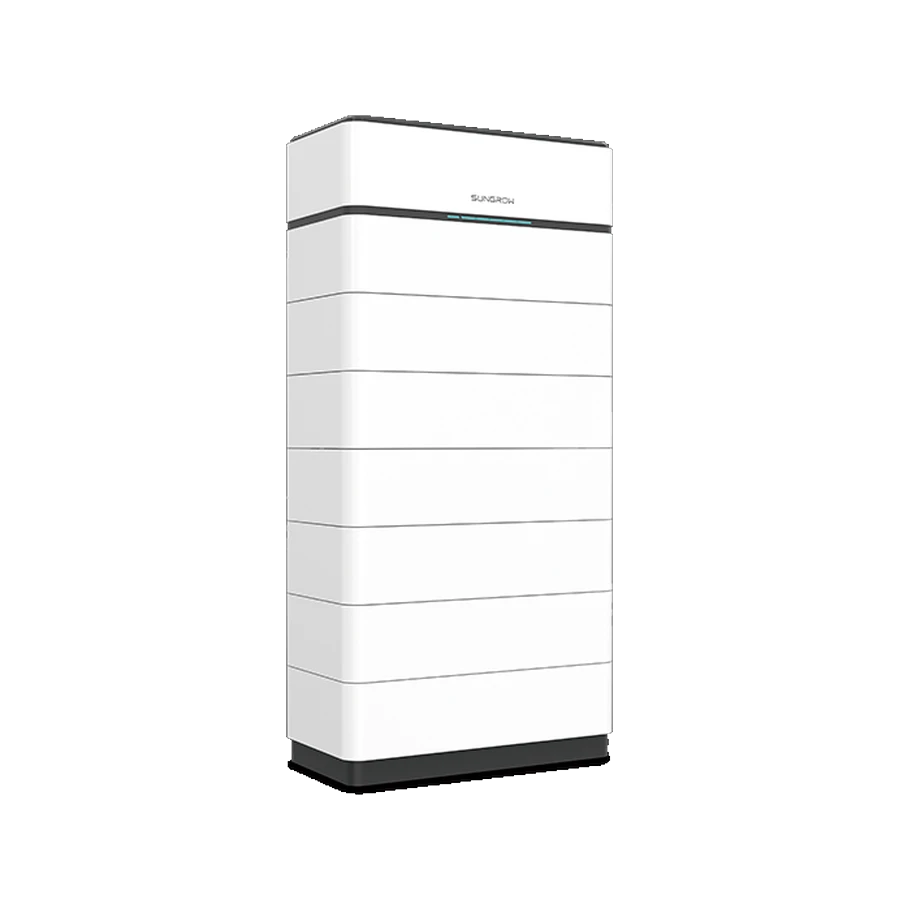
Stackable battery
Sungrow
Stackable, so the capacity is sized to your evening usage rather than sold in one lump.
- Warranty
- 10-year warranty
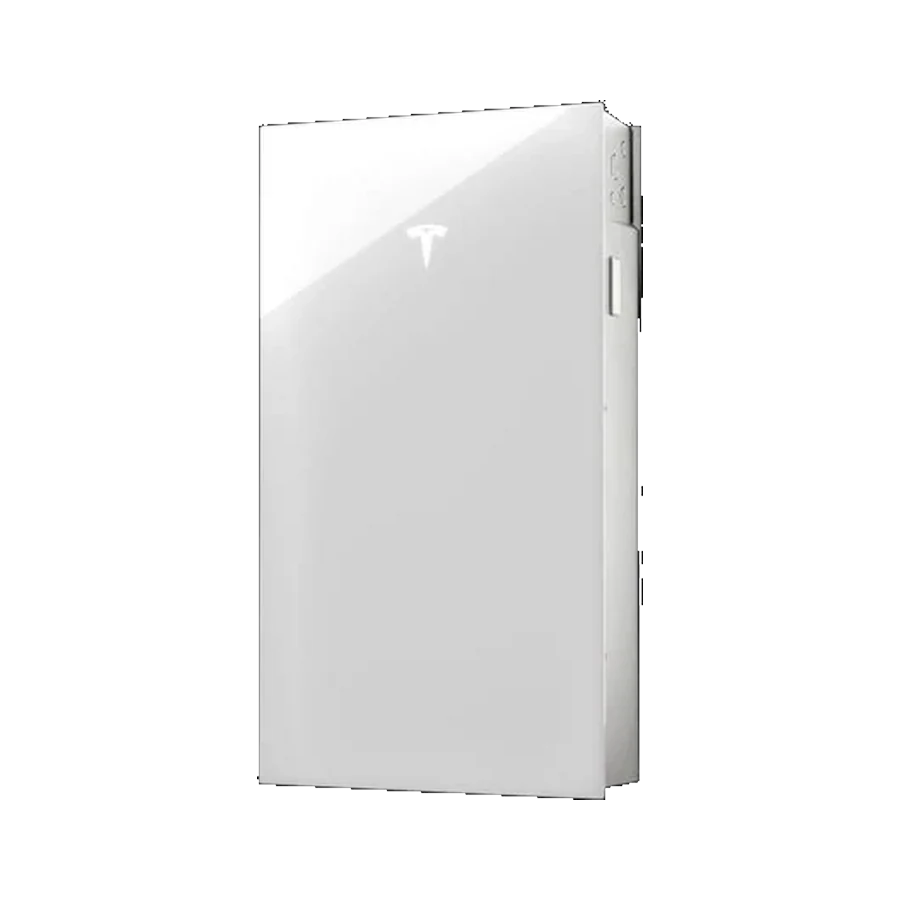
Fitted on request
Tesla Powerwall 3
We hold Tesla accreditation and fit the Powerwall 3 when a household asks for it specifically.
- Warranty
- 10-year warranty
Cost & ROI
Yes, the upfront is real. So is the payback.
A battery costs more than a panel-only system. The payback comes from avoided peak-rate grid use and time-of-use arbitrage: the more of your evening usage you shift off the grid, the faster it returns. We model your specific number against your actual usage before you commit. No guessing.
Federal STC rebate
Applied on a paired solar install, off your upfront price.
Paperwork handled
We manage eligibility and lodgement end to end. Nothing for you to chase.
10–15 year warranty
Depending on the brand you go with.
Backup circuits
Available on every battery we sell, as an opt-in.
Free proposal
Ready to add storage?
Free site visit, fixed proposal, every rebate factored in before you commit.